
11 Best Smart Home Devices for Elderly Aging in Place (2026 Guide)
Independence is one of the most precious gifts we can preserve as we age. In 2026, “Aging in Place” is no longer just a goal—it is a tech-empowered reality. However, for many families, the challenge isn’t a lack of technology; it’s the overwhelming complexity of managing it.
As the founder of BondNow, I’ve seen firsthand how a random, out-of-context sentence from a loved one can be the first sign of a rapidly changing world. My mission is to simplify aging in place landscape, moving from a house full of “gadgets” to a home full of meaningful connection.
Here are the 11 best smart home categories to help your loved ones stay safe, dignified, and connected.
1. Remote Caregiving Systems
Remote monitoring has evolved from simple cameras to sophisticated “hybrid care” models. These systems allow families to check in without being intrusive. Remote monitoring technology are critical when traditional apps fail to help vulnerable family members.
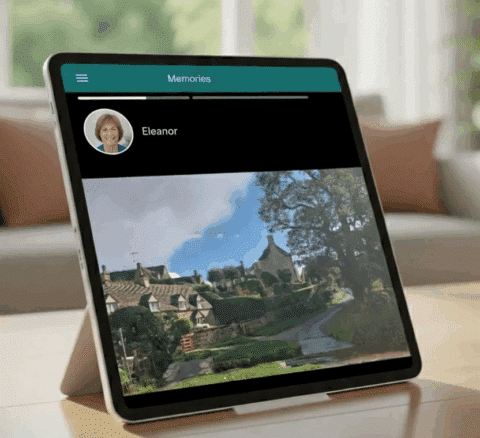
While most systems require the senior to “do” something, BondNow allows you to start a video call that your parent doesn’t even have to “pick up”—it simply connects, bringing your face and voice into their room instantly. Bondnow transforms a rugged tablet into a real-time photo frame and a bridge for connection. Carers or family members can checkin anytime bringing peace of mind.
2. Voice-Controlled Smart Assistants
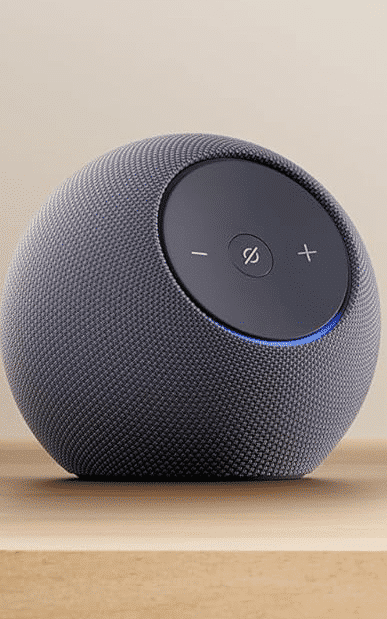
Voice assistants like the Amazon Echo Dot Max (2026) or Google Nest Audio are powerful, but they have a hidden “usability tax”. These only work if the user is accustomed to talk to digital assistants – it is not same as talking to a real human. My own parents often struggle because Alexa doesn’t always understand their accents or times out during long, thoughtful sentences. It can be deeply frustrating for a senior to be met with “I’m sorry, I don’t know” after they’ve made an effort to speak.
3. Smart Security Alarms
Safety starts at the perimeter. Modern systems now include facial recognition to distinguish between a neighbor and a stranger. ADT Home Security remains a leader for professional monitoring, while SimpliSafe offers a brilliant DIY approach with “Intruder Intervention” where agents can speak to intruders directly.
4. Smart Lighting Bulbs
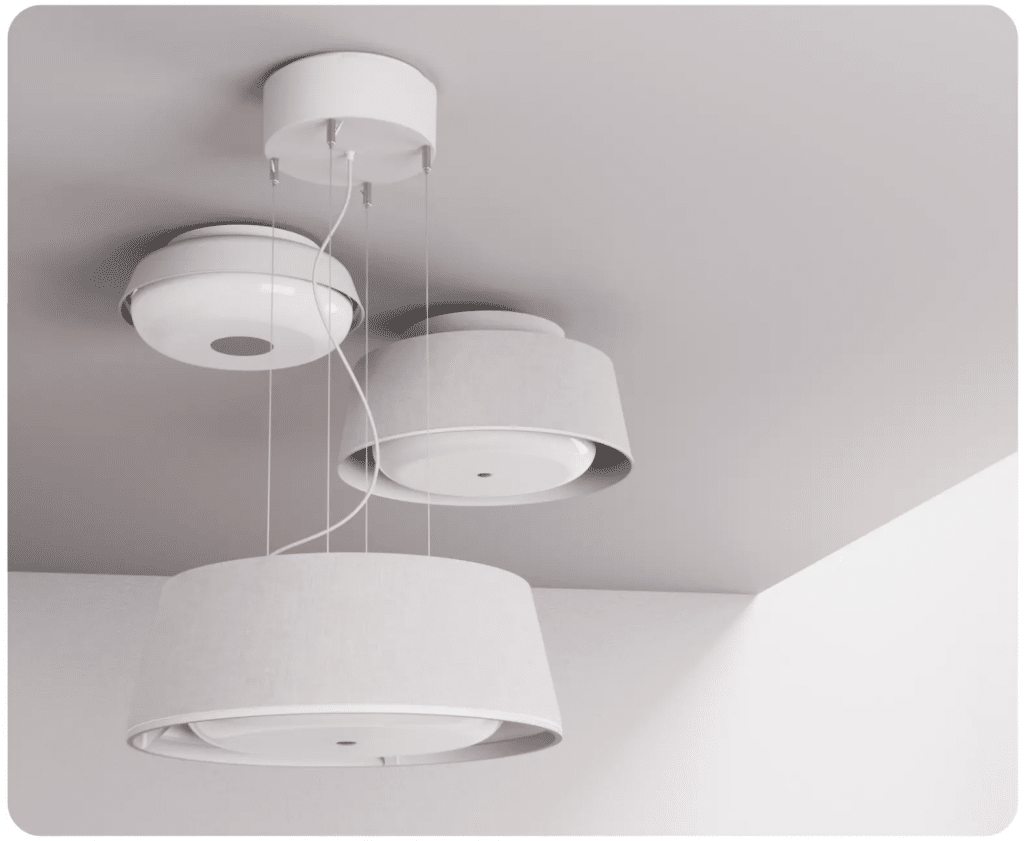
Lighting is a critical tool for fall prevention, especially for those who wake up during the night. Nobi Smart Lights are revolutionary; they look like standard ceiling lights but use AI to detect falls within seconds and alert caregivers. For a simpler fix, Amber Night Lights provide gentle illumination that doesn’t disrupt sleep patterns.
5. Smart Thermostats
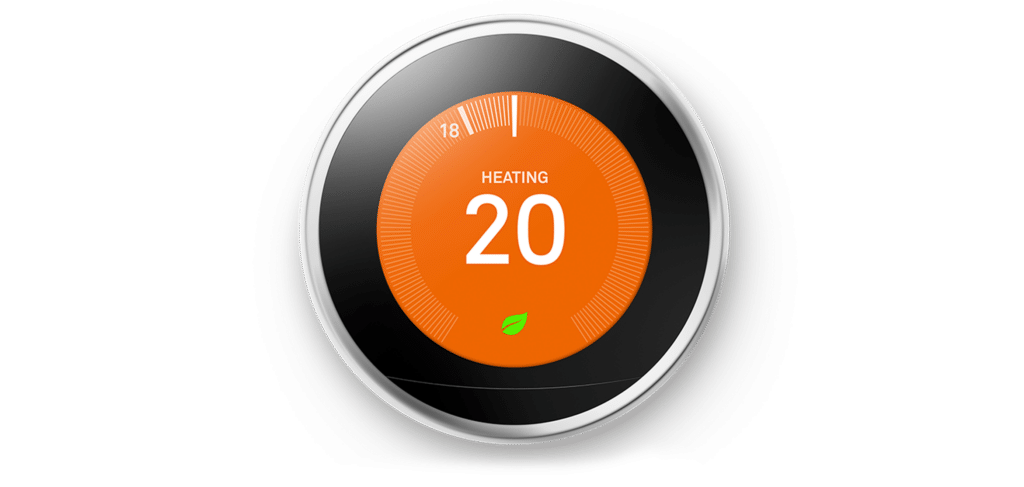
Keeping a home at a safe, comfortable temperature is vital for health. The Google Nest Learning Thermostat (4th Gen) is excellent for automation, learning a senior’s routine over time. For those who prefer a familiar British brand, the Hive Thermostat is highly intuitive and often includes professional installation.
6. Personal Alert Systems
The classic “help button” has been upgraded with GPS and automatic fall detection. NHS UK references this Which article for list of recommended personal alarm systems. The trouble with “Help button” pendants is it might too late and user does not get time to trigger the button. Ideally choose an option which can detect falls accurately using built-in sensors and even better completely non-instrusive which does not depend on the user wearing them.
7. Smart Medication Dispensers
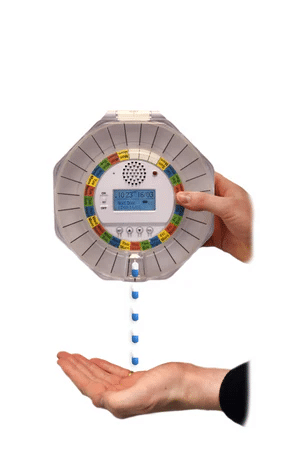
Managing complex medication regimes is a major stressor. We look to leaders like Age UK and the Alzheimer’s Society for the most reliable, dementia-friendly recommendations:
Pippa Tipper Automatic Pill Dispenser: A wonderful “human” option that plays a melody and a pre-recorded custom message (like a daughter’s voice) to gently remind a loved one to take their pills.
Pivotell Advance Automatic Pill Dispenser: Highly regarded for its security, this dispenser features a self-locking mechanism to prevent over-dosing—a crucial safety feature for those with cognitive decline.
8. Smart Plugs
These are the unsung heroes of fire safety. They allow you to remotely turn off a forgotten kettle or space heater. TP-Link Kasa or Tapo smart plugs allow you to set timers or check the status of appliances from anywhere in the world.
9. Smart Locks
Smart locks ensure that family or emergency services can enter the home without needing a physical key, which is often lost or difficult to turn. August Smart Lock or Yale locks allow for “keyless” entry via a smartphone, ensuring help can get in quickly if an alert is triggered.
10. Smart Sensors (Motion & Contact)
Discreet sensors can tell you a lot about a loved one’s well-being without the use of cameras. Samsung SmartThings sensors can be placed on fridge doors. If the fridge hasn’t been opened by noon, it sends a gentle prompt to the family to check in.
11. Smart Hubs
A central hub brings everything together on one screen. The Echo Show provides a visual dashboard, but for those seeking a dedicated, simplified care experience, a tablet running BondNow acts as the ultimate hub for connection and emotional support.
The primary disadvantage of the Echo Show is its extreme visual and functional clutter. It is a general consumer device that frequently displays rotating ads, news, and “suggested skills” that can be deeply confusing and disorienting for a senior who simply needs a clear connection. Unlike BondNow, which is designed to be a calm, “invisible” digital window, the Echo Show requires active interaction—like navigating apps or managing complex settings—that wasn’t built with the specific cognitive and physical needs of elderly users in mind. BondNow removes this noise, replacing a complicated screen of ads with a simple, dedicated space for family faces and memories.
How to Choose the Best Tech
- Prioritize Dignity: Choose devices that don’t look “medical” or feel like surveillance.
- Ease of Use: If it requires more than one tap or a complex voice command, it may cause more frustration than relief.
- Connectivity: Ensure the system allows for “family permissions” so you can help manage the tech from your own phone.
The Vision: One Platform, Total Care
The current landscape is fragmented. Families often have to juggle five different apps just to care for one parent. At BondNow, our vision is to simplify this by becoming the one-stop platform for all your care solutions—integrating video connection, photo sharing, and eventually, smart home monitoring into one simple interface. We want to remove the “tech headache” so you can focus on the love.
Ready to help us build a better way to stay connected?
Join the BondNow community by signing up for our newsletter, or start your journey today with a 60-day money-back guarantee. As an early adopter, you have the unique privilege of influencing our roadmap and shaping the future of caregiving.